
Key Takeaways
- Children should have their first eye exam between 6 and 12 months old, then yearly once school starts.
- Adults with no vision issues generally need an exam every two years, but yearly if you wear glasses or contacts.
- Adults 65 and older benefit from annual exams due to higher risk of age-related eye conditions.
- Certain health conditions and family history can mean you need more frequent exams.
- Some symptoms, like sudden vision changes or persistent dryness, mean you shouldn’t wait for your next scheduled visit.
Why Regular Eye Exams Matter for Your Vision and Health
Many serious eye conditions, like glaucoma and macular degeneration, develop slowly without pain or obvious symptoms. By the time you notice something feels off, the damage may already be done. That’s part of why regular eye exams are so important.
How often you need an eye exam depends on your age, health history, and whether you currently wear glasses or contacts. A healthy adult only needs an eye exam every 2 years, while conditions like diabetes or high blood pressure require more frequent appointments.
At Littlefield Eye Associates, we’re here to help Kansas City families stay ahead of changes to their vision.
Eye Exam Frequency by Age
Children and Teens
Vision problems in kids aren’t always obvious. Children don’t have the experience to know that something’s wrong with their vision, so they often assume that everyone else sees the world in the same blurry way that they do. Scheduling regular eye exams helps you keep track of changes to their vision.
Here’s a simple schedule to follow for your child’s eye health:
- First exam between 6 and 12 months of age
- Another exam between ages 3 and 5
- Yearly exams once they start school
Annual children’s eye exams can catch issues like myopia early.
Adults Ages 19 to 64
If your vision feels fine and you have no known risk factors, it’s normal to have an eye exam every 2 years. However, if you wear glasses or contacts, or if you’re at risk because of conditions like diabetes, your optometrist may recommend more frequent (often yearly) visits.
Adults 65 and Older
After 64, annual exams are recommended. Cataracts, macular degeneration, and other age-related conditions become more common after 65, and catching these early gives you more options for managing them. Our adult and senior eye exam page covers what those visits typically include.
Risk Factors That Call for More Frequent Exams
If any of the following apply to you, talk to your eye doctor about how often you should be coming in for a visit:
- A family history of glaucoma or other inherited eye conditions
- A diagnosis of diabetes, high blood pressure, or similar health conditions
- A previous eye injury or eye surgery
These factors can all increase your risk of developing eye problems.
Signs You Shouldn’t Wait for Your Next Exam
Symptoms to Watch For
Some changes to your vision need attention right away Symptoms that suggest a possible eye emergency include:
- Eye pain, redness, or dryness that doesn’t go away
- Floaters, flashes of light, or halos around lights
- Other sudden or noticeable changes in your vision
These can all be signs of an issue that requires prompt care.
Specialty Eye Care Concerns
Not every concern falls into the “emergency” category, but some patterns are worth discussing with an eye doctor sooner rather than later. These include:
- Eye strain or discomfort after long hours spent in front of screens
- Dry eye symptoms that keep coming back
- A child who squints, sits too close to the TV, or mentions blurry distance vision
Persistent screen-related discomfort may point to digital eye strain, recurring dryness could be a sign of dry eye disease, while a squinting child may have myopia.
What to Expect at Your Eye Exam in Kansas City
A Thorough Look at Your Vision and Eye Health
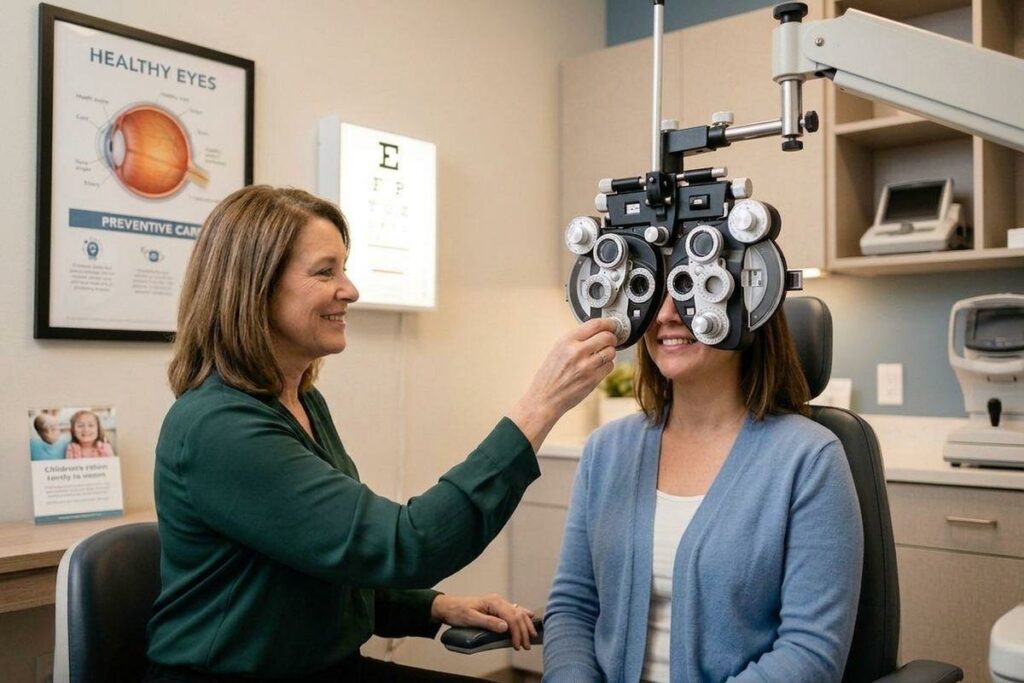
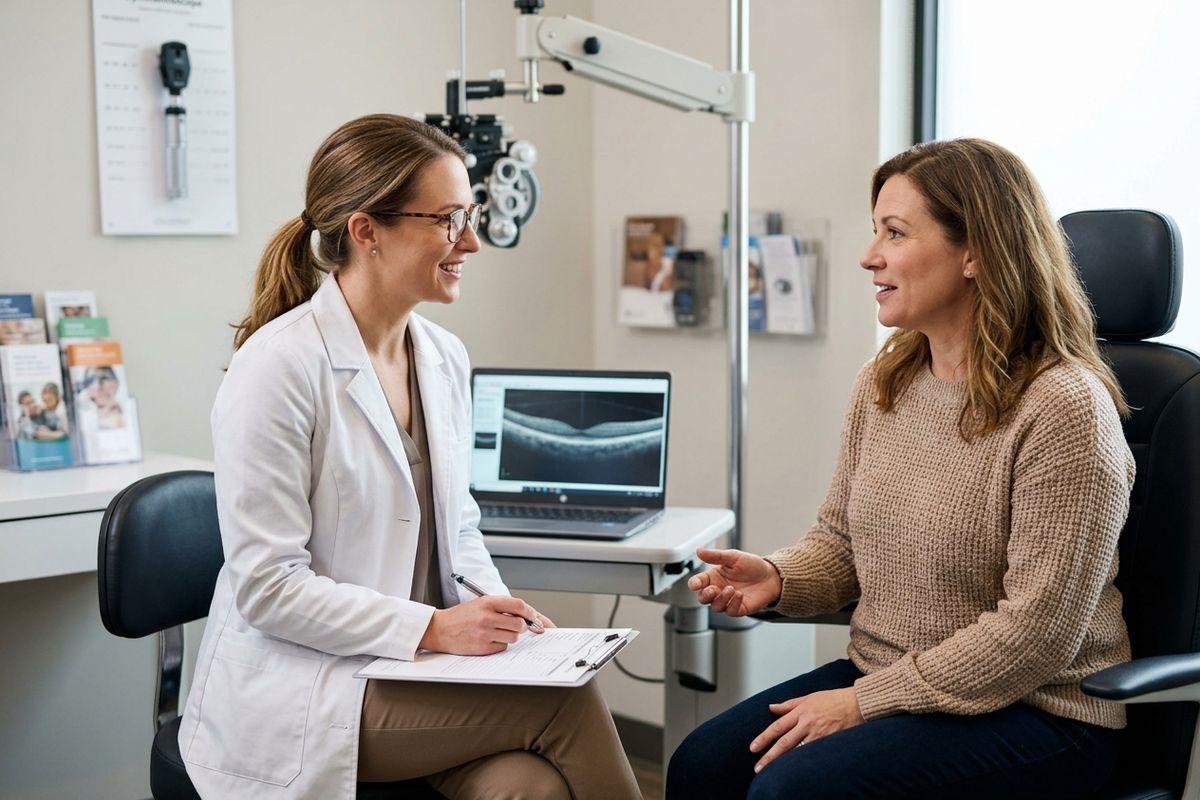
An eye exam at Littlefield Eye Associates covers more than just reading letters off a chart. Our optometrists take the time to look at the full picture of your eye health, including:
- Vision testing and a prescription check
- Screening for glaucoma, cataracts, and retinal changes
Our goal is to catch any potential problems that could affect your vision, now or down the road.
Specialty Services Beyond the Routine Exam
For patients with more complex needs, we also offer specialty eye care services. Whether you’re dealing with chronic dry eye, a child whose nearsightedness keeps getting worse, or a vision condition that standard glasses can’t address on their own, our team is here to support you.
Littlefield Eye Associates has been a part of the Kansas City community since 1909. Our long-standing presence comes with familiarity with our community and the families we serve. If you’re due for an eye exam in Kansas City, MO, reach out to us to schedule your visit today.