


If you’ve recently received a keratoconus diagnosis, you might be wondering about the worst-case scenario for your eyesight.
Complete blindness from keratoconus is rare, but without proper treatment, this progressive condition can lead to severe vision impairment that significantly affects your daily life. The good news is that management options are available. At Littlefield Eye Associates, we offer specialty contact lenses that can help protect your sight and maintain your quality of life. We are also listed by Epioxa as a Keratoconus Detection Center in Kansas City, and Dr. Kristen Yates, OD, FSLS, is a Fellow of the Scleral Lens Society.
What Is Keratoconus & How It Affects Your Vision
Keratoconus changes the shape of your cornea, the clear front surface of your eye. Instead of maintaining its normal round dome shape, the cornea of a person with this condition gradually thins and bulges outward into a cone-like shape.
This irregular shape distorts how light enters the eye, creating blurred and distorted vision that regular glasses can’t correct. The condition typically affects both eyes, though one eye often develops symptoms before the other.
Keratoconus is progressive, meaning it changes over time. The speed of progression varies from person to person—some experience rapid changes, while others see gradual shifts over many years.
Early Signs You Might Notice
If you have keratoconus you might find yourself visiting your eye doctor more frequently because your glasses prescription keeps changing. What worked perfectly 6 months ago might no longer provide clear vision.
Light sensitivity also becomes more noticeable as the condition progresses, especially when driving at night or working under bright office lights. Glare from headlights or computer screens might create discomfort that wasn’t there before.
The Reality About Keratoconus & Blindness Risk
Complete blindness from keratoconus is rare. Most people with this condition maintain some level of vision throughout their lives, even in advanced cases.
However, severe vision impairment can occur without proper treatment. Legal blindness—which means vision worse than 20/200 even with correction—is different from total blindness and can happen in cases of advanced keratoconus.
The distinction matters because legal blindness still allows you to see shapes, movement, and light, while total blindness means no vision at all.
What Happens If It’s Left Untreated?
Without intervention, your vision may worsen gradually as the shape of the cornea continues to change. Simple tasks like reading, driving, or recognizing faces across a room become increasingly challenging.
In severe cases, the cornea may develop scarring or even rupture, though rupture is uncommon. Scarring creates additional vision problems that can be more difficult to treat.
Treatment Options That Protect Your Sight
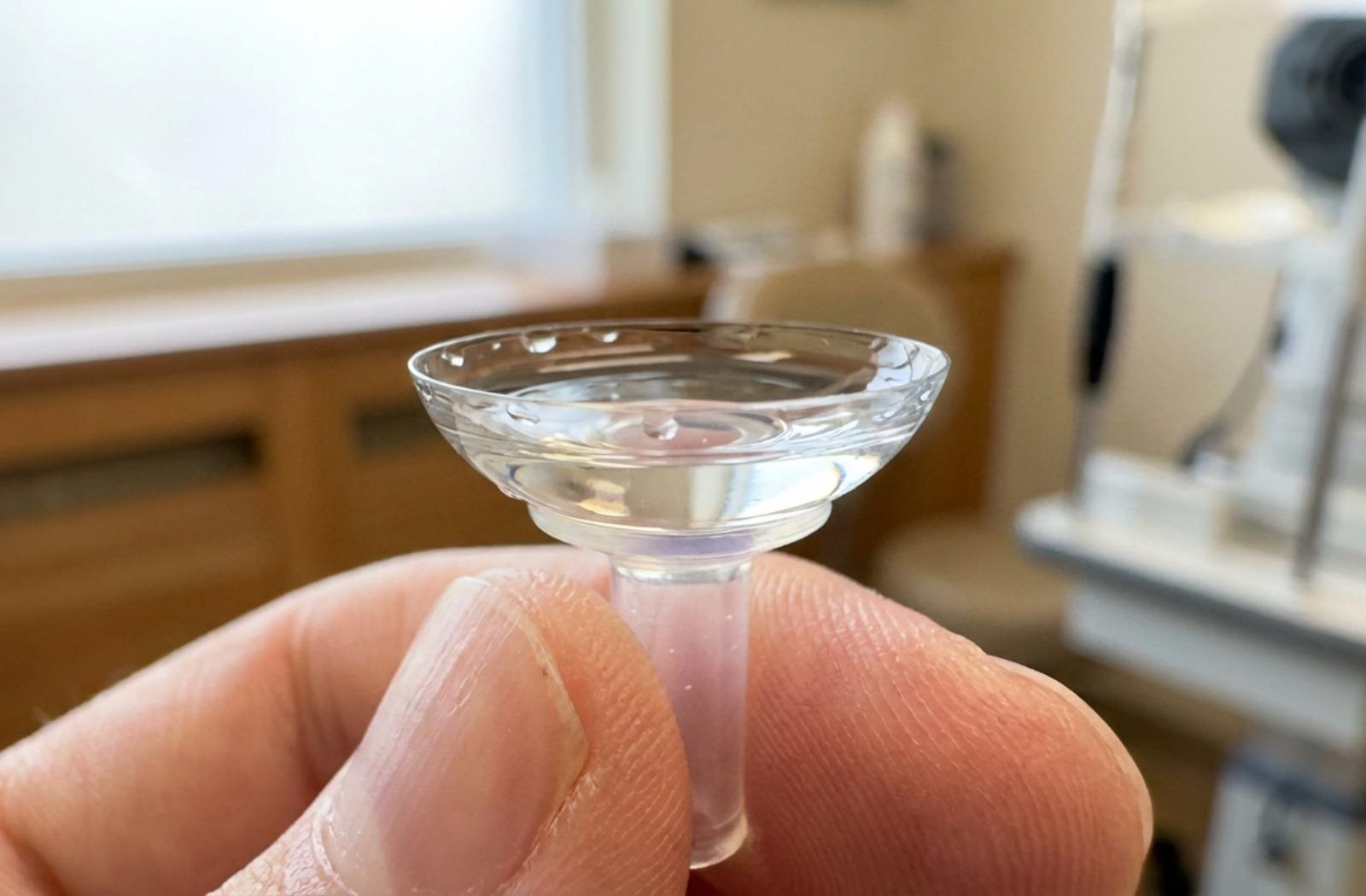
Specialty contact lenses, particularly scleral lenses, can provide dramatically clearer vision by creating a smooth optical surface over an irregular cornea. These lenses rest on the white part of your eye (the sclera and vault over the cornea without touching it directly.
Corneal cross-linking is a procedure that can slow or stop the progression of keratoconus. The treatment strengthens the corneal tissue, helping to maintain your current vision level.
Epioxa is a newly approved epi-on corneal cross-linking option for keratoconus, meaning it does not require removal of the outermost layer of the cornea. As an Epioxa-listed Keratoconus Detection Center, Littlefield Eye Associates can help patients with keratoconus concerns receive a detailed evaluation and guidance on their next steps.
For advanced cases, corneal transplant surgery can restore vision when other treatments aren’t effective. Modern transplant techniques have high success rates and can significantly improve quality of life.
When Treatment Works Effectively
Earlier detection leads to better outcomes because more treatment options are available. Regular monitoring helps your eye doctor track changes and adjust your treatment plan accordingly.
Modern treatments are highly effective when started at the right time. Many people with keratoconus maintain good functional vision throughout their lives with proper care.
Specialty Contact Lenses for Keratoconus
Scleral lenses are often the most effective non-surgical treatment for keratoconus. These large-diameter lenses vault completely over your cornea and rest on the sclera, the white part of your eye.
When you wear scleral lenses, the space between the lens and your cornea is filled with tears, creating a smooth optical surface that corrects the irregular shape. Many people experience dramatic vision improvement with properly fitted scleral lenses, often achieving vision close to what they had before keratoconus developed.
At Littlefield Eye Associates, patients also have access to specialty contact lens care from Dr. Kristen Yates, OD, FSLS, a Fellow of the Scleral Lens Society. This experience can be especially valuable for patients with keratoconus who may need a more customized scleral lens fit.
Why Regular Glasses Don’t Work
Glasses are only effective for mild cases of keratoconus. But they can’t compensate for the irregular, cone-shaped surface that the condition creates as it develops.
Protect Your Vision
If you’re concerned about keratoconus or have noticed changes in your vision, Littlefield Eye Associates can provide comprehensive evaluation and specialty treatments. As an Epioxa-listed Keratoconus Detection Center in Kansas City, our team can help detect signs of keratoconus and guide you through your options, including specialty scleral lenses and appropriate referrals for corneal cross-linking when needed. Our experienced team has served the Kansas City community for over a century, offering personalized care and treatment options for complex eye conditions. Schedule an eye exam in Kansas City MO today to protect your vision and maintain your quality of life.