Key Takeaways
- Myopia causes blurry distance vision and can progress quickly in school-age children.
- Signs like squinting, headaches, and holding screens close are worth taking seriously.
- Heavy screen time and near work may contribute to faster progression.
- Outdoor time supports healthier eye development in children.
- Myopia control options like orthokeratology (ortho-k) and low-dose atropine drops can help slow progression.
- A back-to-school eye exam sets a clear baseline for your child’s vision.
Your child just started the school year, and suddenly you notice them squinting at the TV, sitting closer to the screen, or coming home with headaches. It’s easy to chalk these things up to tiredness or a long day. But they can also be early signs that your child’s vision is changing in ways that deserve attention. Littlefield Eye Associates has been helping Kansas City families navigate exactly these kinds of concerns for over 50 years, and a children’s eye exam is one of the most straightforward ways to get answers.
Myopia, or nearsightedness, is one of the most common vision conditions in school-age children, and it can progress quickly if it goes unnoticed. The good news is that catching it early gives your child more options and a better path forward. A simple eye exam in Kansas City can tell you a lot about where your child’s vision stands right now.
What Is Myopia?
Myopia, or nearsightedness, happens when the eye grows slightly too long from front to back. That small change in shape makes distant objects look blurry while close-up vision typically stays clear. Your child can read a book just fine but struggle to see the whiteboard from the back of the classroom.
What makes myopia especially relevant during childhood is how fast it can change. Some kids see their prescription shift noticeably from one year to the next, which is why regular eye exams matter so much during these years.
Why Early Detection Can Change the Picture
Catching myopia early opens up a wider range of options to manage it. Higher prescriptions carry greater long-term risks for the eyes, including a higher chance of certain conditions later in life. Finding it sooner means your eye doctor has more tools available to help slow things down before the prescription climbs higher.
Signs Your Child May Have Myopia
Kids are not always the best at reporting blurry vision, mostly because they often assume what they see is normal. As a parent, you’re in a good position to notice the clues. Watch for these signs:
- Squinting at the board, TV screen, or anything across the room
- Headaches or tired eyes after school or homework
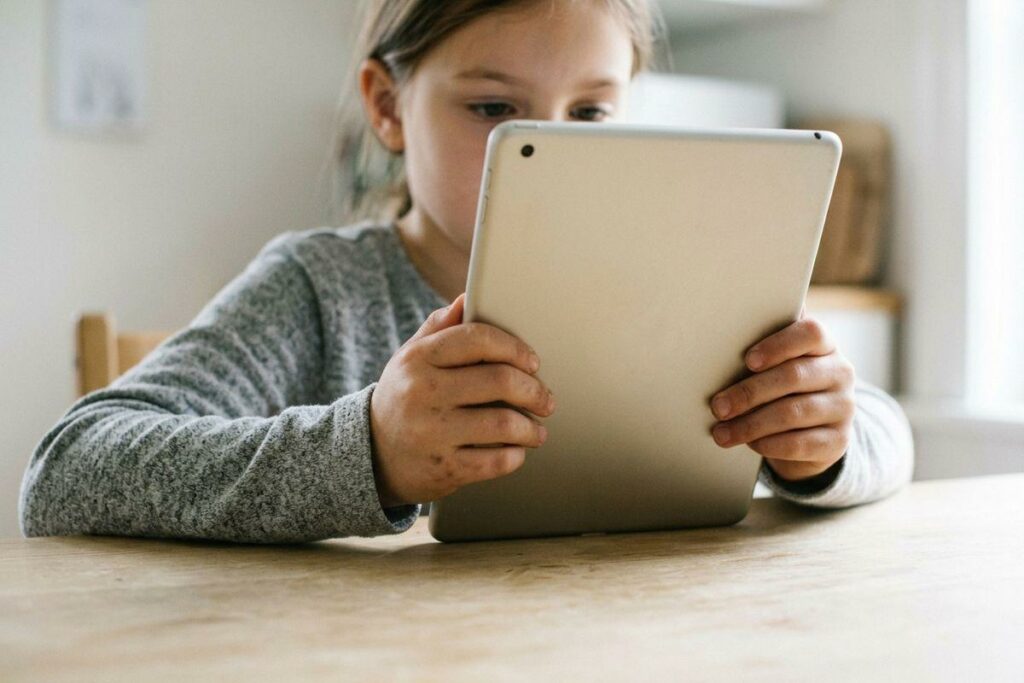
- Holding books, tablets, or phones unusually close to their face
When Vision Problems Look Like Something Else
Vision trouble in kids can sometimes show up as difficulty paying attention, trouble keeping up in class, or frustration during reading time. Because children adapt so quickly, they may not mention that things look blurry. They just struggle quietly. A comprehensive eye exam can rule out vision as the underlying factor when learning challenges show up.
How Schoolwork and Screens Affect Myopia Progression
Near Work and Developing Eyes
Spending hours focused on something close, like a textbook, tablet, or laptop, puts consistent demand on young eyes. That kind of sustained near work is associated with faster myopia progression in children whose eyes are still developing. Screens add another layer because reduced blink rates during screen time can leave eyes feeling strained and fatigued by the end of the school day.
The Role of Outdoor Time
Time spent outside gives the eyes a chance to focus at a distance and relax from close work. Natural light also plays a role in healthy eye development, with research supporting bright light exposure as a protective factor against myopia in children. Aiming for at least 90 minutes of outdoor time each day is a practical step most families can work into their routines, especially during after-school hours.
Myopia Control Options Worth Knowing About
Treatments That Can Help Slow Progression
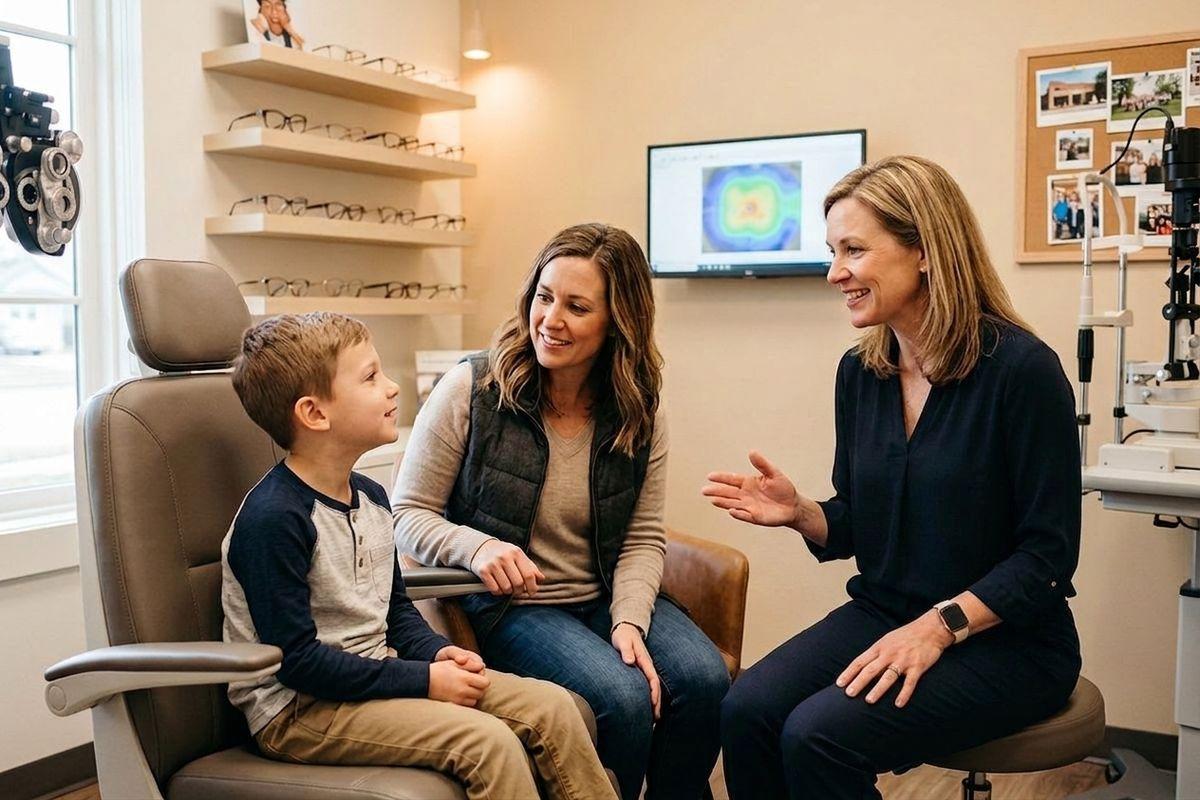
Myopia control is not just about updating a glasses prescription. There are specific treatments designed to help slow how fast a child’s myopia progresses over time. An optometrist in Kansas City can walk you through options based on your child’s age, prescription, and lifestyle. These options may include:
- Overnight contact lenses that gently reshape the cornea while your child sleeps
- Specialty daytime lenses or multifocal contact lenses designed to reduce eye strain
- Low-dose atropine eye drops used daily to help slow eye growth
What a Myopia Control Plan Looks Like
There is no single approach that fits every child. A plan is shaped around your child’s specific prescription, daily habits, and how quickly things have been changing. The focus is on long-term eye health, not just getting through the current school year with a new pair of glasses. The myopia control options available in Kansas City give families a real starting point for that conversation.
Simple Habits That Support Your Child’s Eye Health
The 20-20-20 Rule
This one is easy to remember and simple to apply. Every 20 minutes of close-up work, have your child look at something about 20 feet away for 20 seconds. It gives the focusing muscles in the eye a short break. It fits naturally into homework time and does not require any special equipment. The 20-20-20 rule is a simple, practical tool that takes just seconds to build into any study routine.
A Vision-Friendly Study Space
A few small changes to your child’s homework setup can make a real difference over time. Good lighting without glare on screens or pages keeps the eyes from working harder than they need to. Comfortable posture reduces strain not just in the neck and shoulders but in the eyes too.
Scheduling a back-to-school eye exam in Kansas City this year sets a clear baseline so your eye doctor can track any changes from year to year.
Take Care of Their Eyes
Our team has been helping Kansas City families take care of their children’s vision for over 50 years. From routine eye exams to myopia control, personalized care is at the heart of what we do. If you have questions about your child’s vision or want to schedule an eye exam in Kansas City, MO, reach out to Littlefield Eye Associates and take that first step toward a clearer school year.