

Key Takeaways
- Dry eye can develop when your eyes don’t produce enough tears or when your tears evaporate too quickly.
- Artificial tears can provide daytime relief, while gels and ointments may be more suitable for nighttime use.
- Preservative-free drops may be a good option for frequent use or sensitive eyes.
- Some redness relief drops can leave your eyes feeling drier.
- Prescription drops from an eye doctor may help reduce inflammation and support tear production.
Your eyes start to burn by mid-afternoon, and the screen in front of you looks a little fuzzy. Many families in Waldo know that gritty, tired feeling, and Littlefield Eye Associates has been helping neighbors care for their eyes since 1909.
The right eye drops depend on what’s causing your dry eye, how often you need relief, and whether you wear contact lenses. If drops aren’t giving you lasting relief, our team offers dry eye treatment and can create a personalized plan based on your eyes and daily routine.
What Is Dry Eye and What Are the Signs?
Dry eye occurs when your eyes don’t produce enough tears or when your tears evaporate too quickly.
Screen time, weather, and age can all affect how your eyes feel. Long hours in front of a laptop or dry indoor heat during the winter can leave your eyes feeling even more uncomfortable.
Symptoms You May Notice
Dry eye can show up in a few different ways. Common signs include:
- A burning, stinging, or gritty feeling
- Redness or watery eyes
- Blurry vision that may temporarily improve with blinking
Which Over-the-Counter Eye Drops Work for Dry Eye?
With so many options on store shelves, choosing eye drops can feel overwhelming. Understanding the basic types can help you narrow down your options.
Artificial Tears for Daytime
Artificial tears add moisture to dry, irritated eyes and may provide temporary relief. They’re easy to use throughout the day, and thinner formulas are less likely to blur your vision while you’re working, reading, or driving.
Gel Drops and Ointments for Nighttime
Thicker formulas tend to last longer on the surface of your eyes. Because they may temporarily blur your vision, gels and ointments are often better suited for nighttime use.
Preserved and Preservative-Free Drops
Eye drops with preservatives may be suitable for occasional use, while preservative-free options may be recommended if you need drops frequently or have sensitive eyes.
You’ll also see single-use vials and multi-dose bottles. The best option depends on how often you use your drops and what works best for your routine.
How Do You Match Drops to Your Dry Eye Type?
Different types of dry eye may respond better to different types of drops. Oil-based or lipid-containing drops may help when tears evaporate too quickly, while other artificial tears can help add moisture when your eyes don’t produce enough tears.
If you aren’t sure what’s causing your symptoms, our eye doctors can evaluate your tear film and recommend options based on your needs rather than relying on trial and error.
Drops for Contact Lens Wearers
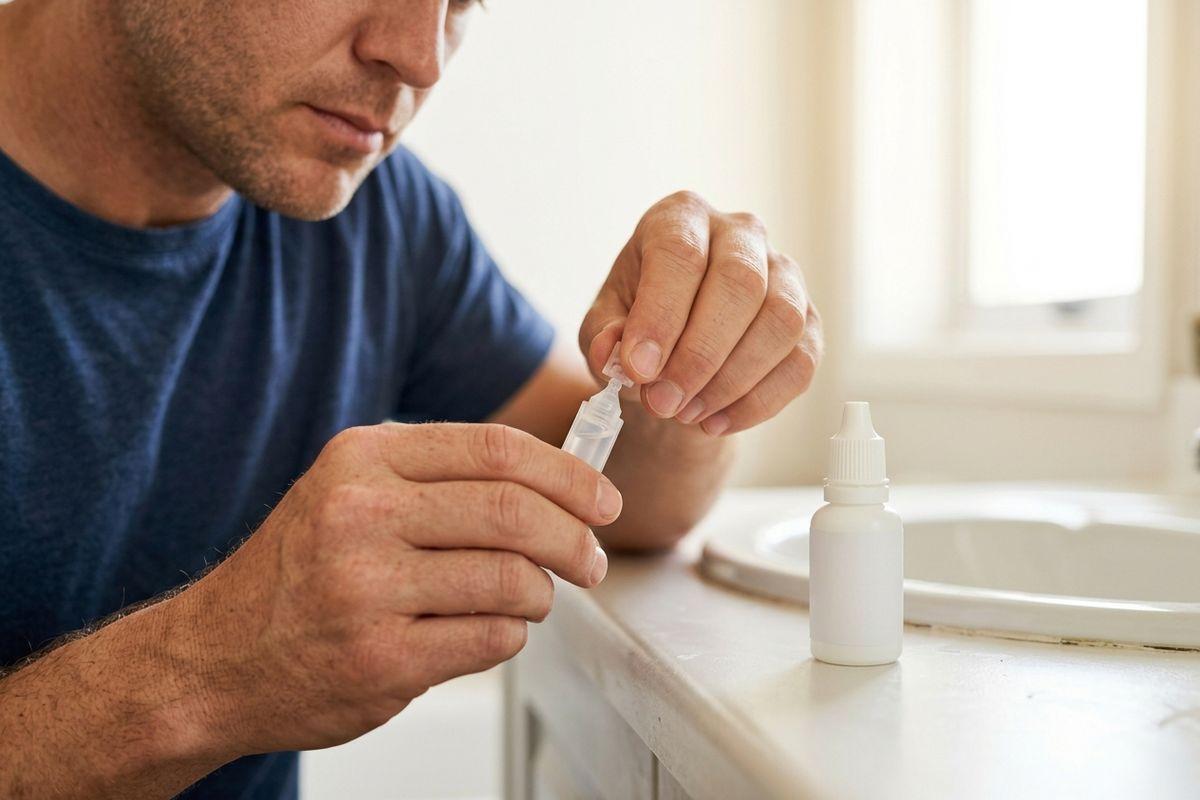
If you wear contact lenses, look for drops specifically labeled as safe for use with contacts. If the label doesn’t say the drops are contact lens-safe, remove your lenses before using them and follow the product instructions.
Which Eye Drops Should You Skip?
Not every type of eye drop is designed to manage dry eye. Keep these in mind when choosing a product:
- Some redness relief drops, especially when overused, may contribute to irritation or rebound redness
- Products that have been recalled, so check for current notices before use
- Drops not made for contact lenses, if you wear them
When Do You Need Prescription Eye Drops from an Eye Doctor?
If over-the-counter drops aren’t providing enough relief, it may be time to talk with our team. Consider booking an appointment if:
- You need artificial tears several times throughout the day
- Redness, pain, or blurry vision persists
- Your symptoms are interfering with work, reading, driving, or other daily activities
Depending on the cause of your dry eye, our optometrists may recommend prescription eye drops as part of your treatment plan. Some prescription medications can help manage inflammation or support your eyes’ natural tear production. Our eye doctors can determine which approach is appropriate based on your symptoms and eye health.
What to Expect at a Dry Eye Visit in Kansas City
Your visit may include an eye exam and an evaluation of what’s contributing to your dry eye symptoms. From there, your eye doctor can create a personalized plan that considers your eyes and your daily routine.
And because dry eye can change over time, our local, family-focused team can continue to adjust your care as your needs change.
Can Dry Eye Get Better?
Dry eye is often managed with consistent, ongoing care.
Some contributing factors, like dry air or long screen sessions, can be adjusted. The right treatment, along with small changes to your daily habits, can help keep your eyes feeling more comfortable.
Schedule Your Dry Eye Visit Today
If eye drops aren’t doing enough, Littlefield Eye Associates is here to help. Book an eye exam in Kansas City, MO, and talk with our team about finding a dry eye plan that works for you.