

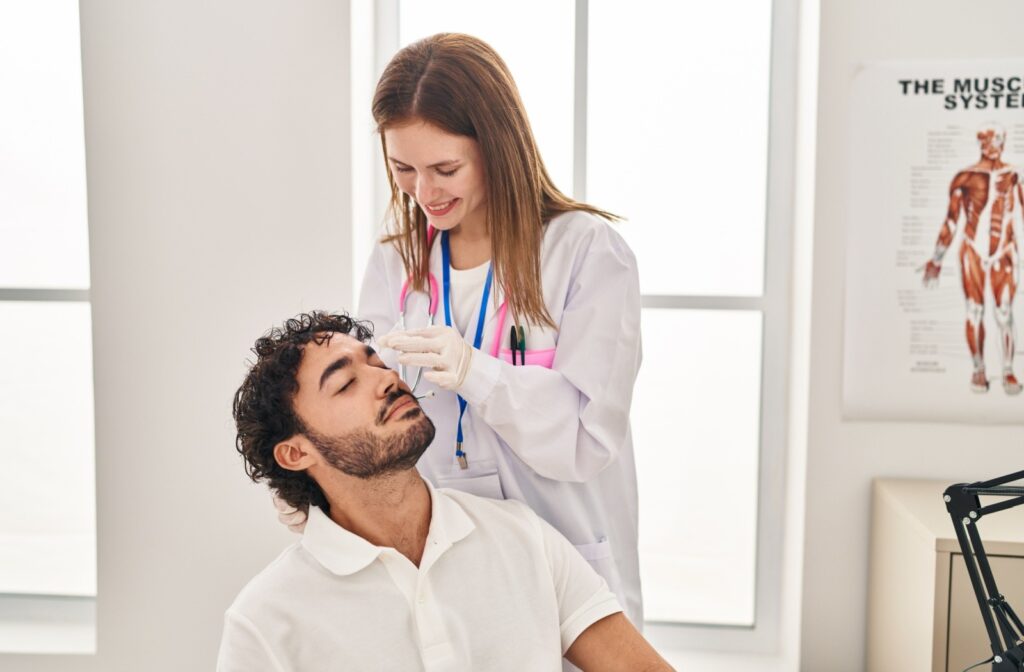
If you’re dealing with persistent dry, irritated eyes, you might be wondering how long your discomfort could last. Many patients visit Littlefield Eye Associates asking this exact question after experiencing months of eye irritation that just won’t go away.
Meibomian gland dysfunction (MGD) is a long-term condition that typically requires ongoing management rather than a 1-time cure. That being said, with 4–6 weeks of proper treatment, most patients see noticeable improvement in their dry eye and can maintain comfortable vision long-term with at-home care.
What Meibomian Gland Dysfunction Means for Your Eyes
MGD happens when the tiny oil glands lining your eyelids become blocked or stop working properly. These meibomian glands normally produce oils that keep your tears from evaporating too quickly, but when they’re not functioning well, your eyes can feel dry and uncomfortable. If you’re experiencing MGD, you might notice:
- Blocked or poorly functioning oil glands
- Reduced tear film quality
- Eye discomfort and irritation
- Episodes of blurry vision
Timeline: How Long MGD Symptoms Typically Last
MGD is an ongoing condition, which means it doesn’t just disappear on its own after a few days or weeks. Despite that, with the right care, you can control your symptoms and feel much better.
Initial Treatment Response Period
Most patients start noticing some relief within the first 4–6 weeks of consistent treatment. You might find your eyes feel less gritty in the mornings or that your vision stays clearer throughout the day. However, this initial improvement is just the beginning of your treatment journey.
Long-Term Management Reality
After that initial response to professional treatment, ongoing care becomes important for maintaining your comfort. Many patients find they need to continue with daily eye care routines and, occasionally, professional treatments. This consistent approach helps prevent your symptoms from returning to their previous severity.
Factors That Affect Your MGD Recovery Time
Your individual experience with MGD treatment can vary based on several personal factors. Some patients see faster improvement than others, and understanding what influences your recovery can help set realistic expectations. These factors could be:
- Severity of gland blockage when treatment begins
- Age and overall eye health
- Consistency with prescribed treatments
- Underlying health conditions
- Environmental factors and lifestyle habits
Treatment Options That Can Improve Your MGD
At our practice, we offer several well-established treatments to improve meibomian gland function and reduce dry eye symptoms. Each treatment works differently, and we often combine approaches for better results.
OptiLight IPL Therapy
OptiLight therapy uses gentle pulses of light to reduce inflammation around your eyelids, which supports the function of your oil glands. Though everyone responds differently, many patients notice improvement after just a few sessions, with treatments spaced about 2–4 weeks apart.
Warm Compresses and Lid Hygiene
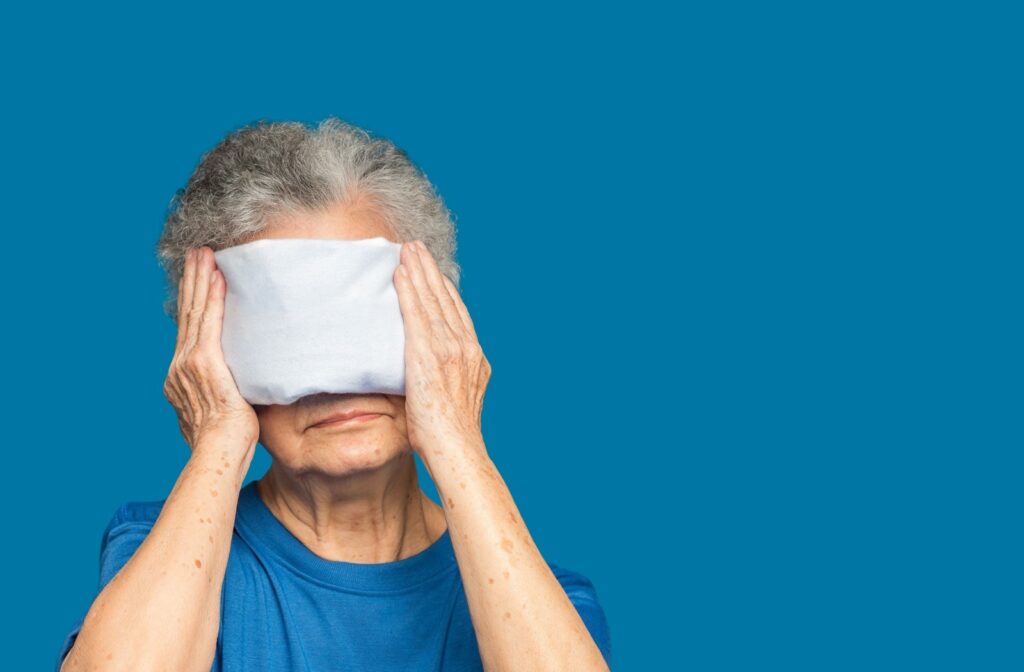
Daily at-home care forms the foundation of MGD management. Applying warm compresses to your closed eyelids for 10–15 minutes can help soften blocked oil glands and support drainage. Gentle lid cleaning helps remove bacteria and debris that can worsen your condition.
Professional Gland Expression
During office visits, our team can manually express blocked glands to clear out thickened oils and debris. This treatment provides relief for many patients and helps your glands function more normally going forward.
Living Well with MGD: What to Expect Long-Term
Having meibomian gland dysfunction doesn’t mean you have to accept constant eye discomfort. With proper treatment and ongoing care, most patients can maintain comfortable vision and continue their normal daily activities.
Can You Live a Normal Life with MGD?
You can absolutely live a normal life with MGD. Most patients with well-managed MGD report that their eye symptoms rarely interfere with work, hobbies, or family time. You can read, use computers, drive, and enjoy outdoor activities comfortably when your condition is properly managed and treated.
When MGD Symptoms May Flare Up
Even with good management, you might notice temporary increases in symptoms during certain times. Seasonal changes, increased screen time, hormonal fluctuations, or periods of stress can temporarily worsen your dry eye symptoms. Adjusting your treatment routine is usually a good first step to getting your comfort back on track.
Why Early Treatment Matters for Your Eye Health
Getting professional care for your MGD symptoms sooner rather than later is a good idea, as early intervention often leads to faster improvement and better outcomes overall. Starting treatment early provides several important benefits:
- Reduces the risk of progression to more severe dry eye
- Maintains better long-term eye comfort
- Helps reduce the risk of corneal complications
- Improves quality of life sooner
Seek Professional Care for Meibomian Gland Dysfunction
If you’re experiencing persistent dry eye symptoms in Kansas City, don’t wait to seek professional care. At Littlefield Eye Associates, we’ve been helping patients manage MGD and other eye conditions for over a century, and we’re here to help you find relief. Schedule your comprehensive eye exam with us today and learn about the treatment options that can help improve your eye comfort.