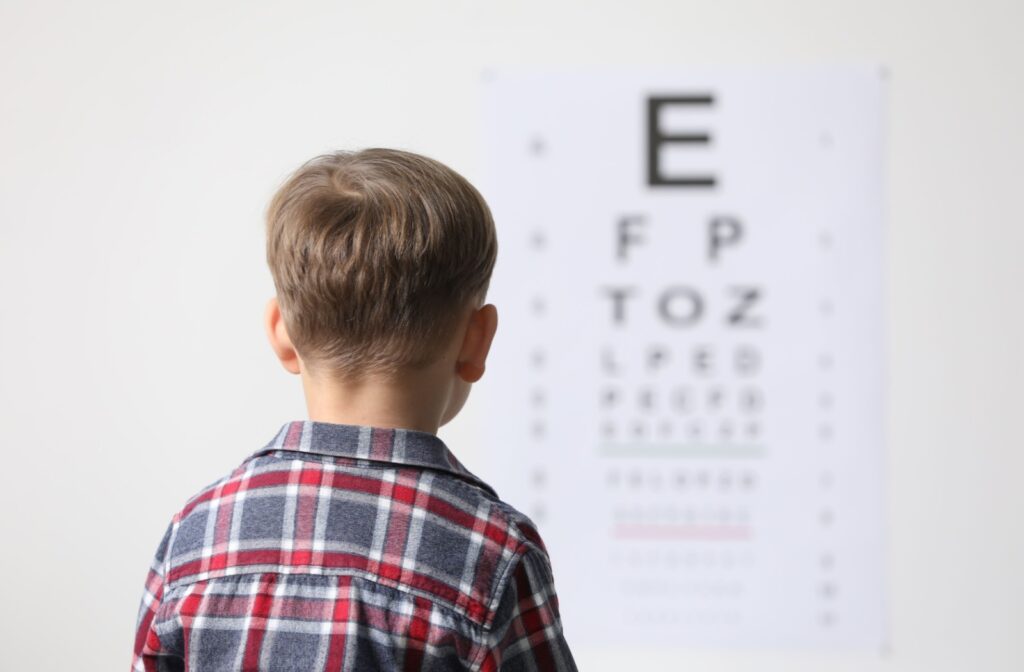
Many parents wonder if their child’s nearsightedness might get better as they grow older. It’s a natural hope when you’re watching your little one struggle to see the board at school or squint at distant objects.
Myopia doesn’t actually improve with age: Once your eye becomes elongated and nearsighted, it generally does not return to its original shape. However, understanding how your vision changes over time can help you make informed decisions about your children’s eyes and explore specialized treatment options.
An Overview of Myopia
How Myopia Affects Your Vision
Myopia, or nearsightedness, occurs when your eye grows too long from front to back. This shape change causes light to focus in front of your retina (the back of your eye) instead of directly on it.
When this happens, you can see close objects clearly, but distant things look blurry. If your child has myopia, you might notice them holding books close to their face or struggling to see what’s written on the classroom whiteboard.
Other Signs You Might Notice
There are other ways to notice myopia. If you are wondering if you have nearsightedness, watch out for these symptoms:
- Blurred distance vision
- Squinting to see far objects
- Headaches after visual tasks
- Eye strain from trying to focus
- Difficulty seeing street signs while driving
The Truth About Myopia and Aging
Why Myopia Doesn’t Actually Improve
The physical shape of your eyes determines whether or not you’re nearsighted. Once your eyeball becomes elongated, it doesn’t shrink back to its original size.
Think of it like growing taller: You don’t get shorter as you age. The same principle applies to your eye’s length and myopia.
When Vision Seems to “Get Better”
After age 40, some people notice they can read without their glasses more easily. This happens because presbyopia (a completely unrelated common eye condition) can temporarily create the impression that vision has improved.
Your nearsighted eye might seem to focus better at reading distance, but your distance vision remains just as blurry as before. You’re not actually seeing better: You’re experiencing 2 vision changes at once.
When Myopia Can Stabilize
Most people’s myopia stops progressing in their early 20s, when eye growth slows. However, because the eye has grown into an elongated shape, the nearsightedness already developed doesn’t go away.
This is why addressing myopia progression during childhood and teen years can make such a significant difference in your long-term vision health.
Why Early Myopia Control Matters
Risks of High Myopia
High myopia can increase the risk of developing some eye problems later in life. This is why slowing the progression of myopia is key to your overall eye health. High myopia increases the risk of:
- Retinal detachment, which can cause vision loss if not given immediate attention
- Glaucoma, which can damage the nerve at the back of your eye
- Cataracts, which are cloudy formations on the eye’s lens that impair vision
- Myopic macular degeneration, which can affect central vision
Benefits of Starting Treatment Early
When we slow myopia progression during childhood, we can help prevent your child from developing high myopia later in life. Lower final prescriptions mean reduced risks of serious eye complications.
Early intervention can also help your child feel more confident in school and activities. Clear vision supports better learning and participation in sports.
Your Myopia Management Options
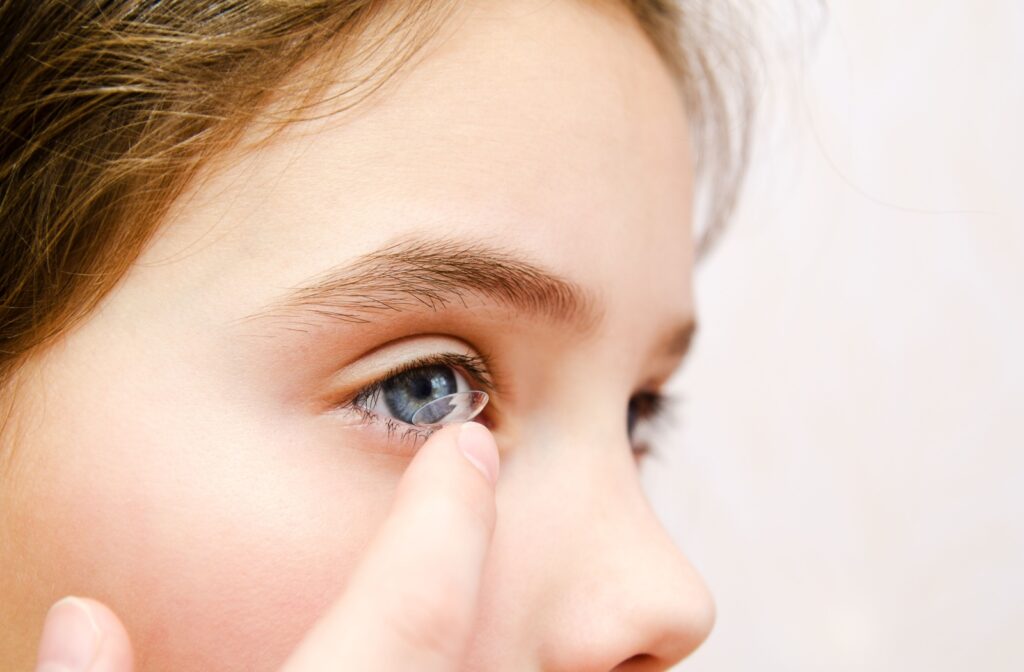
For Children and Teens
- Spectacle lenses
- Specialty contact lenses that slow progression
- Low-dose atropine eye drops
- Orthokeratology lenses, which are worn overnight
For Adults
- Updated eyeglasses and contact lens prescriptions
- Progressive lenses that address both myopia and presbyopia
Take Action for Your Vision Health
When to Schedule Your Eye Exam
Regular eye exams help us monitor myopia progression and adjust treatment plans as needed. Children with myopia should have exams every 6 months during active progression.
Adults benefit from annual exams to watch for presbyopia development and other age-related changes that can affect vision quality.
How We Can Help
Our team can evaluate your family’s vision needs, discuss the myopia management options, and create a personalized treatment plan for your family. We’ve been serving the Kansas City neighborhood since 1909, and we know how important clear vision is for your family’s future. Schedule your eye exam at Littlefield Eye Associates today.